Choosing between Semrush and Ahrefs depends on your SEO priorities and workflow. Semrush functions as an all-in-one marketing platform for keyword research, technical audits, backlink analysis, and competitor tracking. Ahrefs specializes in backlink depth and real-time link discovery with a simpler, SEO-focused interface. Both tools draw on third-party search and keyword-data sources to generate their metrics; neither guarantees specific ranking positions. They’re your data-gathering foundation, not an execution guarantee.
Understanding the Difference: Breadth Versus Depth
Semrush and Ahrefs represent two distinct philosophies in DIY SEO tools. Semrush is an all-in-one marketing suite that integrates SEO, PPC analysis, content marketing, and competitor tracking into one unified dashboard. Ahrefs operates as the second-most-active web crawler after Google, optimizing specifically for backlink depth and technical SEO precision. Knowing which mindset fits your workflow matters more than feature checklists alone.
All-in-One Integration Versus SEO Specialization
Semrush excels for teams managing SEO, PPC advertising, and social strategies simultaneously, making it particularly valuable for agencies and in-house marketing departments running integrated campaigns. Within Semrush, you research keywords, check competitor ad spend, optimize landing-page copy, track rankings, and plan content, all without switching between separate tools. This breadth creates a steeper initial learning curve; the interface handles dozens of features, so onboarding takes considerable time and effort. Teams willing to invest in mastery often find Semrush becomes the central hub for their entire digital marketing operation.
Ahrefs is ideal for practitioners who prioritize ease of use and focused SEO workflows. The tool omits PPC research, social tracking, and content-marketing features, simplifying navigation and significantly reducing interface clutter. For solo practitioners, freelancers, or SEO-only teams, this focused scope means less clicking to find what you need and faster time to insight. However, this focused approach offers less flexibility if your scope later expands to paid search or broader marketing channels, which would require integration with separate platforms.
Data Sources and Scope
Both tools tap third-party search and keyword-data sources to power their metrics and reports. Semrush maintains a Fresh Index based on backlinks observed within the last six months of continuous crawling, totaling 43+ trillion backlinks across 808 million domains globally. Ahrefs indexes approximately 35 trillion external backlinks with its live index, plus historical records spanning from May 2016 forward, totaling around 70 trillion combined. The real difference emerges in how each tool uses and updates that data, a distinction we explore throughout this comparison.
Search Engine Optimization Plans & Pricing
Choose the right SEO plan for your website. Improve search engine visibility, discover relevant keywords, monitor rankings, and access customized optimization services to support your business growth.
Search Engine Optimization (SEO)
Bring more traffic to your website with Search Engine Optimization.
- Search Optimization: Improve search engine rankings with keyword and suggested topics tool
- Keyword suggestions: Get personalized phrases and words to add to increase traffic to your website and help it rank better.
- Tracking your ranking: Track the progress of your website’s rank on Google over time
- Create your sitemap: Customize, create and submit a site map to aid search engines in crawling your site.

Customized SEO Plan
Get Customized Plan For your Business Website SEO (Search Engine Optimization)
- On-Page & Off-Page Optimization: Update Meta Tags, Titles, Descriptions, Alt Tags, Schema / JSON-LD / Microdata Format, HTML + TXT + XML Sitemap, Robots.TXT, Google Analytics & Google Search Console integration
- Keyword Research & Analysis: Improve Keyword Effectiveness Index (KEI) with main heading & sub-heading tags, Content Review by professional content editor
- Competitor Research & Analysis: Compare and Compete with competitors search engine ranking positions, Track and analyse competitor trends
- Diversify Back Link Profile: Relevant Business Directory Submission, Article Submission, Blog Creation, Web 2.0 asset creations, Author Profile Links, Social Book Marking links
- Monthly Task Review & Progress Reporting: Get Monthly SERP Reports and Task Performance Reports
Comparison Data Table: Key Feature Differences
| Feature | Semrush | Ahrefs |
|---|---|---|
| Backlink Index Size | 43+ trillion backlinks | 35 trillion (live) + 35 trillion (historical) |
| Index Update Frequency | Once per week | Every 15–30 minutes |
| Technical Audit Coverage | 140+ issues checked | ~100 issues checked |
| Keyword Database | 26.7 billion keywords, 142 geographic databases | 28.7 billion keywords with strong global coverage |
| PPC and Ad Analysis | Yes, included | No, not available |
| Content Planning Tools | Yes, included | No, not available |
| API Access Availability | Yes, at higher tiers | Yes, from Lite tier upward |
| Support Languages | 14 languages | 8 languages |
| Support Methods | 24/7 live chat, email, phone (select regions) | Email and live chat |
| Training Programs | Semrush Academy with certification courses | YouTube tutorials and written documentation |
| Local SEO Features | Yes, multi-city tracking | No city-level tracking |
| Interface Focus | All-in-one marketing platform | SEO-only specialization |
| Best For | Agencies managing multiple channels | SEO specialists and link-building teams |
Keyword Research and Difficulty Metrics
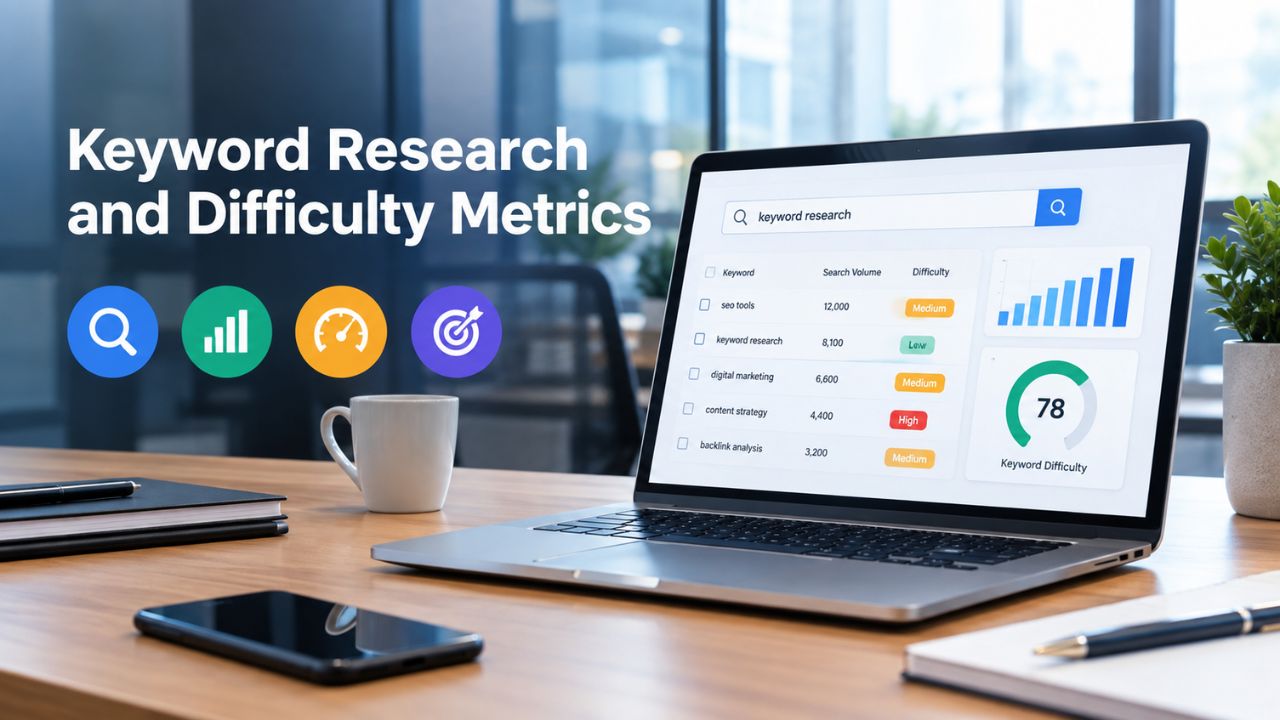
Both Semrush and Ahrefs offer comprehensive keyword research capabilities, but they surface insights differently and optimize for distinct use cases and user types. Understanding these differences helps you choose based on your content planning and research workflow.
Breadth of Keyword Data and Geographic Coverage
Ahrefs provides access to 28.7 billion keywords, including 2.3 billion US-specific terms, offering strong global coverage with an international research focus. Semrush offers 26.7 billion keywords, including 3.6 billion US entries, distributed across 142 geographic databases, prioritizing depth within specific regions and markets. If you’re targeting multiple regions or doing deep market research in the United States, Semrush’s geographic depth and US-specific keyword volume offeroffer a distinct advantage. Ahrefs’ strength lies in international campaigns where you need balanced keyword data across many countries without US-centric bias.
Semrush edges out Ahrefs with more advanced features and information for researching keywords you need to target or purchase ads for, including easy access to SERP features like featured snippets, knowledge panels, and current search trends. Semrush’s keyword interface presents estimated traffic potential, cost-per-click, and search trends in a unified view, making it efficient for content planning. Ahrefs provides core metrics, search volume, keyword difficulty, and CPC, but requires additional steps to uncover search intent signals and detailed SERP feature breakdowns. For large content teams producing dozens of articles monthly across multiple intent types, this architectural difference matters operationally.
Difficulty Metrics and Search Intent Analysis
Ahrefs is renowned for more precise difficulty metrics and exclusive traffic insights for individual keywords. Ahrefs’ Keyword Difficulty (KD) score reflects ranking complexity based on top-10 competitor backlink profiles, offering a competitive reality check. Semrush excels at keyword organization and search intent analysis, making it more effective for extensive content planning and multi-channel marketing approaches. Semrush’s intent labels- informational, commercial, transactional, navigational- help content teams match content type to user behavior more explicitly and systematically.
For a small DIY SEO project targeting long-tail keywords within a niche market, Ahrefs’ difficulty metric often feels more predictive and actionable for realistic ranking opportunities. For a content team producing dozens of articles monthly across an entire product category, Semrush’s intent grouping saves considerable time clustering related keywords into content buckets and publishing calendars. The choice depends on whether you prioritize precision per keyword or speed at scale across many keywords.
Backlink Analysis and Link Building Strategy
Backlink analysis is where the two tools diverge most sharply in capabilities and philosophy. This distinction often becomes the deciding factor for agencies and teams running competitive link-building campaigns or comprehensive link audits.
Database Size and Crawl Freshness Trade-off
Ahrefs maintains 24 trillion internal backlinks and 35 trillion external backlinks in its live index, and updates the backlink index every 15 minutes to keep the database fresh. Semrush holds 43+ trillion backlinks across its total index, the larger overall database between the two tools, but updates its backlink database approximately once per week. This fundamental trade-off defines the competitive positioning: Semrush prioritizes total size and comprehensive historical data, while Ahrefs prioritizes data freshness and real-time accuracy.
For link-building outreach and competitive monitoring, freshness often matters more operationally than raw database size. When a competitor publishes an industry report and starts earning high-authority placements, Ahrefs identifies those active targets and link patterns immediately, sometimes within the hour. With Semrush, you may wait several days to see that same newly acquired link appear in reports. If your daily workflow includes competitive link monitoring, time-sensitive outreach campaigns, or link-velocity strategies, Ahrefs’ speed creates a genuine operational advantage.
Backlink Analysis Depth and Quality Metrics
Ahrefs has long been considered the gold standard for backlink data among pure SEO professionals, with a live index that surfaces new and lost links in your dashboard faster than nearly any other tool on the market. A 2022 AIRA study found that 64% of SEO professionals trust Ahrefs’ link data most when making link-building and disavow decisions. The Site Explorer interface groups referring domains intelligently and automatically filters out spam and private blog networks (PBNs). When Ahrefs reports a link as “active,” there’s a high probability that the link actually exists at the time of reporting, making the data reliable for outreach and link-building verification.
Semrush’s Backlink Gap Analysis is a genuine strength that sets it apart for competitive analysis workflows. It lets you compare your backlink profile against up to four competitors at once, revealing niche patterns faster than checking one competitor at a time in Ahrefs. Semrush’s backlink index of 43 trillion links can surface older, historical link opportunities that Ahrefs may have pruned from its live database. For discovering dormant link patterns or analyzing the full historical trajectory of competitor link growth, Semrush’s comprehensiveness provides unique insights.
Technical SEO Audits and Site Health
Both tools run thorough site audits and technical health checks, but the scope, prioritization, and actionability differ meaningfully between platforms. Understanding these differences helps you select the audit tool best suited to your site complexity and team structure.
Coverage and Issue Detection Depth
Semrush Site Audit checks for over 140 technical SEO issues across on-page and technical dimensions; Ahrefs Site Audit covers approximately 100 checks across similar categories. Semrush Site Audit identifies more technical issues, including keyword cannibalization, internal linking patterns, and duplicate content scenarios, and prioritizes them based on the estimated impact on performance and rankings. If your site is large, has multiple content clusters targeting similar keywords, or is recovering from an earlier SEO migration or penalty, Semrush’s broader issue detection helps surface hidden problems faster. Ahrefs flags the highest-impact problems quickly and efficiently, but may miss niche issues or secondary concerns that can accumulate over time.
Both tools identify broken links, missing meta tags, slow-loading pages, and duplicate content across your site. Both run strong technical SEO audits across all major site issues and provide actionable recommendations with clear fixes. Google Search Console (free) should always complement either tool; it surfaces indexing issues unique to Google’s view of your site that neither Semrush nor Ahrefs can see in full. Using both paid and free tools together gives you the most complete picture of your technical SEO health.
Actionability and Prioritization for Remediation
Semrush Site Audit is particularly strong at identifying more technical issues and prioritizing them based on potential impact on performance, helping teams understand which fixes will move the needle most. The impact scoring and prioritization system helps freelancers and small teams decide which fix to tackle first when time and resources are tight. Ahrefs’ interface remains cleaner and simpler, presenting issues clearly without overwhelming detail, which some users prefer, especially if you’re auditing a smaller site or running spot checks rather than ongoing continuous monitoring.
For teams running continuous monitoring across multiple sites, both Ahrefs and Semrush provide excellent SEO auditing tools that highlight issues that might negatively affect your search rankings and visibility. Choose Semrush if your organization benefits from depth, detailed categorization, and impact-based prioritization when managing large site portfolios. Choose Ahrefs if you value speed, simplicity, and a streamlined audit workflow that surfaces critical issues without secondary details.
Rank Tracking and Competitive Monitoring
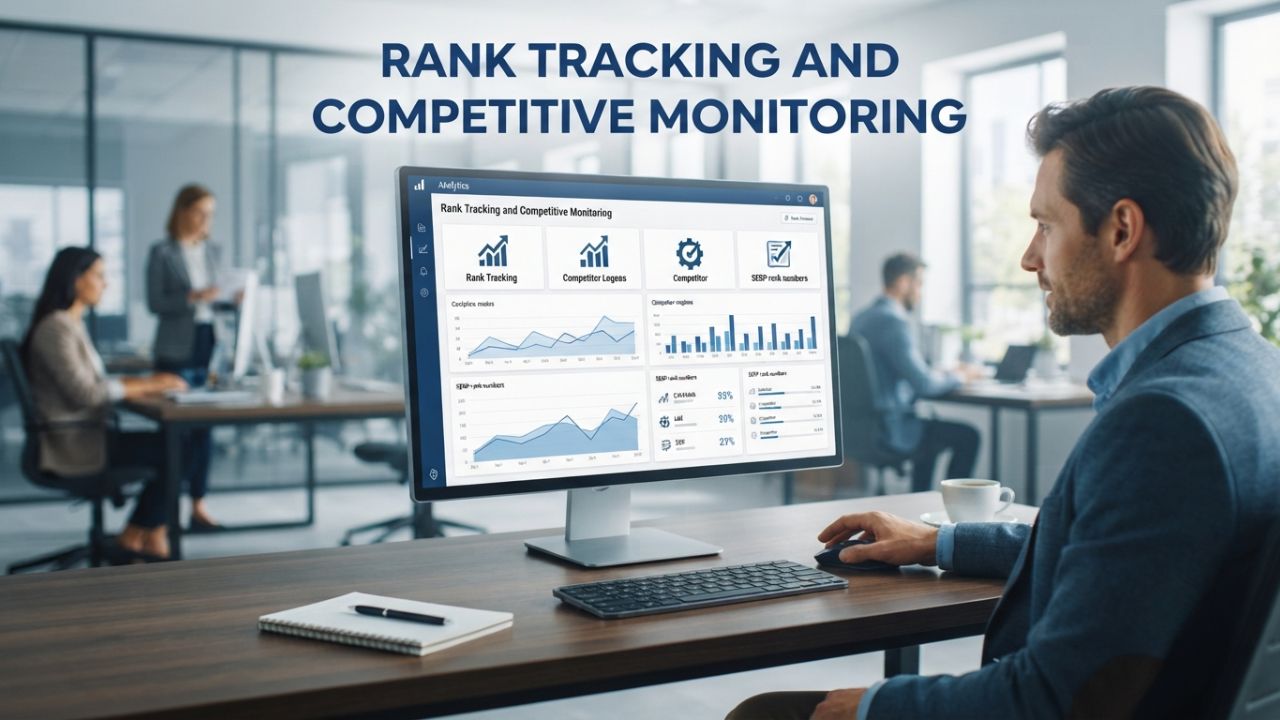
Tracking your keywords’ rankings over time is foundational to measuring SEO progress and understanding how your optimization efforts translate into search visibility gains. Both tools offer rank tracking, but their scopes and reporting capabilities differ, affecting how you monitor and respond to ranking changes.
Tracking Scope and Feature Differences
Semrush provides visibility scores showing overall domain performance, estimated click-through rates (CTR) from search results, and direct competitor ranking comparisons across your target keywords. Advanced position tracking in Semrush generates a general visibility score for how your site is performing in SERPs across all tracked keywords, giving you a bird’s-eye view of your ranking portfolio. Ahrefs’ Rank Tracker separates desktop and mobile data with distinct visibility graphs on the main dashboard, and provides email alerts for ranking changes to help you respond quickly to volatility and ranking fluctuations. This separation helps you understand whether changes are device-specific or broad-based.
Ahrefs’ limitation is the lack of city-level tracking, a significant gap for local SEO practitioners managing multiple locations or serving geographic markets. Semrush includes local rank tracking across cities and regions, essential if you operate multiple business locations or target specific geographic markets. For a national or international campaign targeting country-level and regional visibility, Ahrefs’ desktop/mobile split provides cleaner segmentation. For local SEO work managing rank visibility across multiple cities, Semrush is the mandatory choice between the two.
Keyword Tracking Limits and Monitoring Workflow
On keyword tracking volume, Ahrefs offers higher tracked keyword limits relative to subscription tier, providing better value for teams monitoring hundreds of keywords across multiple sites. Both tools allow bulk uploads of keyword lists and automated report scheduling, so the workflow and user experience are similar; the real difference is total volume capacity and scalability as your portfolio grows. Both tools integrate with Google Analytics and Google Search Console, though Ahrefs maintains slightly simpler workflows for data export and third-party integration. Teams that scale to 500+ keywords benefit from dashboards that group keywords by topic and landing page, reducing cognitive load when analyzing month-to-month trends and adjusting strategies.
Ready to Select Your DIY SEO Tool
Semrush and Ahrefs represent different philosophies and optimization approaches: breadth versus depth, speed versus scale, all-in-one convenience versus focused specialization. The “better” tool matches your workflow, team size, and whether you’re managing SEO exclusively or as part of a larger marketing operation. If you’re evaluating DIY SEO tools for your business, try Semrush’s free trial to experience its all-in-one approach and integrated marketing channels. Explore Ahrefs’ live interface to evaluate the streamlined, SEO-focused workflow and backlink specialization.
API Access and Custom Integration Capabilities
For teams building custom dashboards, integrating SEO data into internal reporting systems, or automating workflows, API access and data export capabilities become critical decision factors. Both tools offer different levels of API functionality and integration possibilities depending on your technical requirements.
API Availability and Data Export Options
Semrush offers API access that allows you to pull keyword data, backlink information, site audit results, and ranking data into custom applications and dashboards. API access enables teams to pipe Semrush data directly into internal tools, custom reporting systems, or client portals without manual data entry or exports. This capability is particularly valuable for agencies building white-label reporting systems or enterprise teams creating unified dashboards across multiple marketing data sources. The API documentation is comprehensive, and Semrush provides sandbox environments for development and testing before production deployment.
Ahrefs provides API access at the Lite tier and above, with 150,000 API units per month included in the Standard plan and higher units available at upper tiers. API units are consumed differently depending on your data requests; simple lookups consume fewer units than complex historical analysis requests. This credit-based system means heavy API users must monitor usage carefully and may need to upgrade tiers to meet data pipeline demands. For teams building production systems that make frequent API calls, understanding the unit consumption model is essential before committing to implementation.
Integration Ecosystem and Automation Workflows
Semrush integrates with popular marketing tools and platforms including Google Analytics, Google Ads, Zapier, HubSpot, and other marketing automation platforms through pre-built connectors and API access. These native integrations allow you to set up automated workflows where SEO data triggers actions in other systems, for example, high-ranking keywords automatically flowing to your content calendar tool. Semrush’s integration ecosystem is extensive, especially for agencies managing client campaigns across multiple channels and tools.
Ahrefs integrates with several major platforms and tools, but its overall integration ecosystem is smaller than Semrush’s. However, Ahrefs’ API is direct and relatively straightforward, making it easier for developers to build custom integrations when pre-built connectors don’t exist. For technical teams comfortable with API development, Ahrefs often provides greater flexibility to build exactly the integration you need rather than working within pre-built connector limitations. The choice depends on your organization’s technical capabilities and whether you prefer pre-built connectors or direct API access for custom solutions.
Learning Curve and Onboarding Experience
How quickly you become productive depends on the tool’s interface design, documentation quality, support availability, and training resources. Both tools have learning curves, but they manifest differently based on each platform’s architecture and complexity.

Interface Complexity and Initial Navigation
Semrush offers an extensive suite of features and capabilities, and it takes time to learn how to navigate it and decide which tool to use for each task. If you’re new to digital marketing or SEO tools, you might initially find Semrush’s interface overwhelming because of the breadth of options and the multiple pathways to access related features. However, once you get familiar with the platform structure, everything is neatly organized and easy to access. The dashboard provides a solid overview of your key metrics and projects, and the platform grows with you as your needs become more sophisticated and multi-channel.
Ahrefs takes a more straightforward approach with its interface. The tool focuses primarily on SEO, so it’s easier to find what you need without navigating unrelated features. The tools you need, like Site Explorer, Keywords Explorer, Site Audit, and Rank Tracker, are accessible directly from the main dashboard without deep menu diving. If simplicity and quick orientation matter, Ahrefs might be the better fit. However, Ahrefs’ focused approach has its own learning curve as users discover the depth and power within each specialized tool.
Support Resources and Onboarding Quality
Semrush provides extensive onboarding resources including in-app tutorials, guided walkthroughs for new users, and comprehensive video training libraries that help you get oriented quickly. Semrush Academy offers free certification courses that build foundational and advanced knowledge systematically, and the community forum provides peer-to-peer learning and troubleshooting. The platform also offers 24/7 live chat support, email support, and in some regions, phone support, making it easier to get help when you’re stuck on a complex workflow.
Ahrefs focuses on self-directed learning through YouTube tutorials, detailed help documentation, and community resources rather than formal training programs. The documentation and YouTube channel are of excellent quality and regularly updated with new content and feature walkthroughs. Ahrefs support is available via email and live chat, but there’s no phone support available. For users who prefer video tutorials and written documentation, Ahrefs’ approach works well; for users who benefit from structured training programs and live support, Semrush offers more formal resources. Budget two to four weeks to reach basic competency in either tool; true mastery takes months of hands-on experience.
Content Tools, PPC Features, and Marketing Breadth
Semrush and Ahrefs diverge sharply in their supporting toolsets and marketing focus. This divergence often becomes the tiebreaker for teams managing integrated digital marketing campaigns beyond pure SEO.
PPC Research and Competitive Ad Analysis
Semrush includes PPC research and competitor ad analysis capabilities that Ahrefs does not offer. Within Semrush, you can research keywords, analyze competitor ad copy and landing pages, check ad spending patterns, and move directly to Google Ads campaign setup, all without leaving the platform. This integrated approach means your keyword research directly informs your paid search strategy, and you can identify opportunities where organic and paid search overlap. The PPC tools help you understand which keywords your competitors are bidding on, what ad copy they’re testing, and which landing pages they use for conversions.
Ahrefs lacks PPC research, social media tracking, and content-planning features entirely. Ahrefs explicitly stays in its lane: backlinks, keyword research, site audits, and rank tracking. For teams managing both organic and paid search, this means you’ll integrate Ahrefs with separate tools like Google Ads, Google Keyword Planner, and other PPC platforms, adding to your tool stack and monthly subscriptions. The trade-off is that Ahrefs remains simpler and more focused, while Semrush requires learning additional features if you use the PPC functionality.
Content Planning and Writing Assistance Features
Semrush includes content-planning and optimization tools that help teams research topics, plan content calendars, and optimize pages for search intent and user experience. The Content Marketing Platform includes topic research, SEO content templates, and writing assistance features that help teams understand what content performs well for competitive topics. This suite reduces the need for separate content-optimization subscriptions like Surfer SEO or Clearscope, potentially consolidating your tool stack and costs. Teams can plan content, optimize for on-page SEO factors, and track performance all within Semrush.
Ahrefs focuses exclusively on the research and technical foundation for content, keyword research, competitor content analysis, and backlink patterns that show which topics earn links. Ahrefs does not include content-writing assistance, content calendars, or optimization templates. Teams planning to use Ahrefs will need to complement it with separate content-planning tools, writing-assistance software, and editorial calendars. For organizations already using dedicated content-planning platforms, this separation of concerns can actually be cleaner and more efficient.
Data Accuracy and Real-Time Update Cycles
SEO tool data is never 100% accurate or completely real-time for every keyword. Understanding each tool’s refresh rate, data methodology, and update frequency helps you set realistic expectations for what you can rely on.

Crawl Frequency and Data Lag Implications
Ahrefs crawls approximately 8 billion pages per day and updates its backlink index every 15 to 30 minutes, maintaining one of the freshest backlink databases available to SEO professionals. Semrush updates its backlink database approximately once per week, taking a different approach that prioritizes completeness over speed. This difference is dramatic for competitive intelligence and time-sensitive link discovery. Ahrefs typically identifies fresh backlinks 24–48 hours faster than Semrush, which is critical for time-sensitive competitive intelligence and active link-building campaigns.
Semrush’s longer update cycle is intentional, not a limitation. More frequent crawls of the entire web take time, and Semrush prioritizes breadth, crawling more domains and discovering more total links, over speed. For most SEO projects, content planning, monthly performance reviews, quarterly audits, and strategic planning, a one-week lag is immaterial and doesn’t impact decisions. For active link-building campaigns where you’re monitoring competitor link acquisition daily, Ahrefs’ real-time data is operationally superior and influences tactical decisions.
Metric Estimation and Data Confidence Intervals
Neither Semrush nor Ahrefs shows you actual Google rankings or exact traffic data. Both tools present estimated ranking positions and approximate search volume, metrics based on historical patterns, competitive analysis, and statistical modeling, not Google’s proprietary algorithms. Semrush’s traffic estimates are particularly valuable for content planning, showing you how much traffic a page could potentially earn if it ranks in specific positions. Ahrefs’ traffic-per-keyword metric is less granular but still useful for identifying high-opportunity keywords worth targeting.
Always cross-check rank-tracking data with Google Search Console (free) and traffic data with Google Analytics 4 (free), using tools’ data as guidance rather than absolute truth. Google’s data is your authoritative source; tools provide educated estimates. Neither Semrush nor Ahrefs can tell you your exact ranking for every keyword; search results vary by location, device, user search history, time of day, and countless other factors. Treat all tool data as directional insight rather than definitive fact, and use multiple sources to triangulate your actual performance.
Best Use Cases and Team Fit
The right tool depends on your role, team size, primary use case, and whether you’re managing SEO alongside other marketing channels or focusing exclusively on organic search.
Agencies and Multi-Channel In-House Marketing Teams
Semrush suits users who want depth and an all-in-one platform for managing multiple marketing channels; Ahrefs suits those who prioritize ease of use and focused SEO workflows. For a full-service digital marketing agency managing 20+ client accounts simultaneously, Semrush’s breadth, integrating SEO, PPC, content, and backlinks, means fewer tool integrations and lower onboarding time per new client. Agencies managing 15–50 client accounts benefit from advanced reporting features that allow you to generate white-label reports for clients and integrate data into custom client dashboards.
For an agency focused purely on SEO or link building as a core service, Ahrefs’ simplicity and backlink specialization make it faster to teach new team members and easier to scale processes. Freelance SEO consultants focused on technical audits and keyword research often prefer Ahrefs for its streamlined interface. Larger agencies managing SEO for enterprise clients benefit from Semrush’s depth, technical audit coverage, and content-integration capabilities. Smaller boutique agencies focused on link building and competitive analysis often gravitate toward Ahrefs for its speed and backlink accuracy.
Solo Practitioners and Small Business Owners
Budget constraints matter more for solo practitioners and small businesses. For a freelancer managing 5–10 client sites with modest budgets, the free tier of Google Search Console, Google Analytics 4, and Screaming Frog SEO Spider (which allows 500-URL free crawls) provides a core setup for serious SEO work. Both Semrush and Ahrefs serve as premium layers that speed up your workflow and expand your capabilities beyond free tools. For a freelancer who can afford one premium tool, Ahrefs’ focus and simpler learning curve make it easier to see ROI and justify the expense to clients.
Semrush shines once you’re juggling content calendars, paid campaigns, and multiple client rankings simultaneously, where the all-in-one approach saves significant tool-switching time. Small business owners managing their own website’s SEO benefit from Ahrefs’ streamlined interface if they want to focus purely on organic search, or from Semrush’s breadth if they’re also running paid advertising campaigns. The choice depends on whether you’re managing a single channel or coordinating multiple marketing efforts under one dashboard.
Feature Comparison Matrix: Decision Factors
| Decision Factor | Why It Matters | Semrush Strength | Ahrefs Strength |
|---|---|---|---|
| All-in-One Marketing | Managing SEO, PPC, and content in one platform saves tool-switching time and consolidates data | ✓ Full marketing suite integrated | SEO-only specialization |
| Backlink Data Freshness | Real-time link discovery enables faster competitive response and link-building verification | Multi-week update cycle | ✓ 15–30 minute updates |
| Beginner-Friendly Interface | Faster onboarding and lower learning curve reduce time to first insights | Steeper initial learning curve | ✓ Simpler, streamlined interface |
| International Keyword Research | Deep keyword data for multiple regions without US-centric bias supports global campaigns | US-focused databases | ✓ 28.7B global keywords |
| Link-Building Speed | Fast discovery of active link opportunities enables agile outreach and competitive response | Slower backlink discovery | ✓ Real-time new link alerts |
| Multi-Location Tracking | City and region-level rank tracking supports local business visibility management | ✓ Full local SEO features | Desktop/mobile only |
| Technical Audit Depth | Comprehensive issue detection and impact prioritization scales to large, complex sites | ✓ 140+ checks with prioritization | 100 checks, streamlined |
| Customer Support Availability | Phone support and multilingual resources help teams troubleshoot complex issues faster | ✓ 24/7 phone + 14 languages | Email/chat only, 8 languages |
Start Comparing SEO Tools for Your Organization
Both Semrush and Ahrefs offer powerful capabilities for managing SEO, analyzing competition, and guiding your optimization strategy. The right tool depends on your workflow, team structure, and whether SEO is your exclusive focus or one channel in a larger marketing operation. Niya Digital’s DIY SEO tool offers keyword research, technical audits, competitor analysis, and rank tracking for teams and businesses wanting to manage SEO in-house without hiring an agency. Test drive both tools and evaluate their interfaces, data presentation, and support to see which best fits your team’s way of working and your approach to SEO strategy.
Frequently Asked Questions
Is Semrush or Ahrefs better for keyword research?
Semrush edges out Ahrefs with more advanced features and additional information for researching keywords you need to target or purchase ads for, including easy access to SERP features like featured snippets, knowledge panels, and current search trends. Ahrefs provides access to 28.7 billion keywords, including 2.3 billion US-specific terms, and offers strong global coverage without US-centric bias.
Semrush provides 26.7 billion keywords with 3.6 billion US entries across 142 geographic databases, prioritizing depth within specific regions. Semrush’s intent labels and estimated traffic metrics suit content planning; Ahrefs’ difficulty metrics are more precise for evaluating competitive keywords.
Which tool is better for backlink analysis?
Ahrefs is considered the gold standard for backlink data among pure SEO professionals, with a live index that surfaces new and lost links faster than nearly any other tool. A 2022 AIRA study found that 64% of SEO professionals trust Ahrefs’ link data most when making link-building and strategic decisions.
Semrush’s Backlink Gap Analysis is a real strength, letting you compare your backlink profile against up to four competitors at once and reveal patterns across your entire niche faster. Choose Ahrefs for speed, freshness, and depth in backlink analysis; choose Semrush for multi-competitor comparison and historical link patterns.
How long does it take to see results from SEO tools?
Most businesses see early SEO progress within 4–6 weeks, including improved indexing, increased search impressions, and technical stability improvements. Meaningful SEO results usually take 3–6 months; Google needs time to crawl your changes, evaluate your content against competitors, and adjust rankings accordingly.
Tools provide data and recommendations; your team’s execution on strategy, content quality, and technical improvements drives actual results. Consistency and quality matter far more than which tool you choose for your analysis.
Can I use either tool for local SEO?
Semrush offers local SEO features and multi-location rank tracking across cities and regions, essential if you manage multiple business locations or need city-level ranking visibility. Ahrefs lacks city-level tracking, a significant gap for local SEO practitioners. If you manage multiple locations or need city-level rank data for local search visibility, Semrush is the mandatory choice between these two tools. Ahrefs remains a solid option for national or international organic search campaigns.
Which tool has better customer support?
Semrush offers 24/7 live chat and email support in multiple languages, with phone support available in select regions. Semrush Academy provides free certification courses and structured learning pathways. Ahrefs provides email and live chat support, plus excellent YouTube tutorials and written documentation. For hands-on support and phone access, Semrush excels; for self-directed video learning, Ahrefs’ YouTube channel and documentation are outstanding.
Does Ahrefs or Semrush offer a free trial?
Semrush offers a free trial period that lets you test the platform’s core features without a credit card commitment in some regions. Ahrefs doesn’t offer a free trial for paid plans, but it does provide a free Webmaster Tools plan for verified websites, giving you limited access to Site Explorer for your own domains. Semrush’s trial lets you try the all-in-one platform risk-free; Ahrefs’ free tier is minimal but lets you explore the interface and data quality for your own sites.
How quickly does each tool discover new backlinks?
Ahrefs updates its backlink index every 15–30 minutes, typically identifying fresh backlinks within hours of them going live. Semrush updates its backlink database approximately once per week, usually taking several days to surface newly acquired links. For active link-building campaigns and time-sensitive competitive intelligence, Ahrefs’ speed is a genuine operational advantage. For most SEO projects and strategic planning, Semrush’s weekly update cycle is sufficient.
Are these tools suitable for beginners?
Both tools have learning curves, but Semrush is generally considered the easier starting point if you’ve never used an SEO tool before, with more in-app tutorials and a guided onboarding experience. Ahrefs is more straightforward if you prioritize simplicity and don’t need multi-channel marketing features. Pair either tool with free resources like Google Search Console to build foundational SEO knowledge before investing in paid software.
Can I use either tool for international SEO?
Ahrefs excels with global keyword breadth; Semrush provides more depth within specific regions and stronger US-focused keyword databases. For international campaigns targeting multiple countries equally, Ahrefs’ interface handles international keyword filtering more intuitively. For campaigns targeting specific regions with deep keyword research, Semrush’s geographic databases provide more actionable insights per region.
How do I track progress with these tools?
Both Semrush and Ahrefs offer rank-tracking dashboards and reporting capabilities. Track rankings monthly rather than daily; Google’s algorithms settle new content over weeks, not days.
Compare tool data against Google Search Console to verify accuracy; Search Console is your authoritative source for rankings and impressions. Set baseline metrics in month one, establish goals in month two, and evaluate progress quarterly as you implement optimizations.
Which tool is better for competitor analysis?
Semrush excels at analyzing competitors across multiple channels, SEO, PPC, content, and social, providing a 360-degree view of competitor strategies. Ahrefs focuses on competitor backlink analysis, link-building patterns, and organic content performance, offering deep insights into how competitors earn authority and visibility. Choose Semrush for multi-channel competitor intelligence; choose Ahrefs for specialized link-building and backlink pattern analysis.
What’s the difference between Semrush and Ahrefs for site audits?
Semrush Site Audit checks 140+ technical issues and prioritizes them by estimated performance impact, including keyword cannibalization detection. Ahrefs Site Audit covers approximately 100 checks and presents them clearly without complex prioritization scoring. Choose Semrush for comprehensive issue detection and prioritization on large, complex sites; choose Ahrefs for straightforward, fast site health checks without overwhelming detail.
Can I combine both tools?
Many agencies use Semrush and Ahrefs together: Semrush for all-in-one marketing and PPC analysis, Ahrefs for specialized backlink depth and link-building campaigns. The combination provides both breadth and depth but doubles subscription cost. For freelancers or small businesses, choose one tool; for larger agencies with substantial SEO budgets, combining both tools often creates the most powerful analysis stack.
How do I export data from these tools?
Both Semrush and Ahrefs let you export reports to PDF, Excel, and CSV for further analysis or client delivery. Ahrefs provides API access at the Lite tier and above for programmatic data export and custom integration. Semrush offers API access for custom integration and data pipeline work. For simple exports and reporting, both tools’ built-in export functionality works well; for complex integrations or automated workflows, API access becomes important.
Should I choose based on interface preference or capabilities?
Choose based on your workflow and primary use case first: which tool’s capabilities match your needs? Interface preference matters, but a tool you love using that lacks a critical feature is less useful than a slightly less intuitive tool that does everything you need. Use free trials and hands-on exploration to evaluate both capabilities and interface fit; read recent user reviews focused on your specific use case, not general ratings.
Glossary
- Backlink: A hyperlink from another website pointing to your site; also called an inbound link or external link. Backlink quality and quantity influence your domain’s authority and visibility in search engines.
- Domain Rating (DR): Ahrefs’ proprietary authority score ranging from 0–100 based on your site’s backlink profile and referring domain strength. Higher DR indicates stronger domain authority in organic search results.
- Keyword Difficulty (KD): A metric typically ranging from 0–100 estimating how hard it is to rank in the top 10 search results for a specific keyword, based on competitor backlink strength, domain authority, and content relevance.
- Rank Tracking: Continuous monitoring of your website’s search rankings for targeted keywords over time, typically updated daily or weekly to identify ranking changes and trends.
- Site Audit: An automated technical crawl of your website identifying SEO issues including broken links, slow-loading pages, missing meta tags, duplicate content, and mobile usability problems.
- SERP Features: Special search result elements beyond traditional blue-link listings, including featured snippets, image packs, video results, local packs, knowledge panels, and People Also Ask sections.